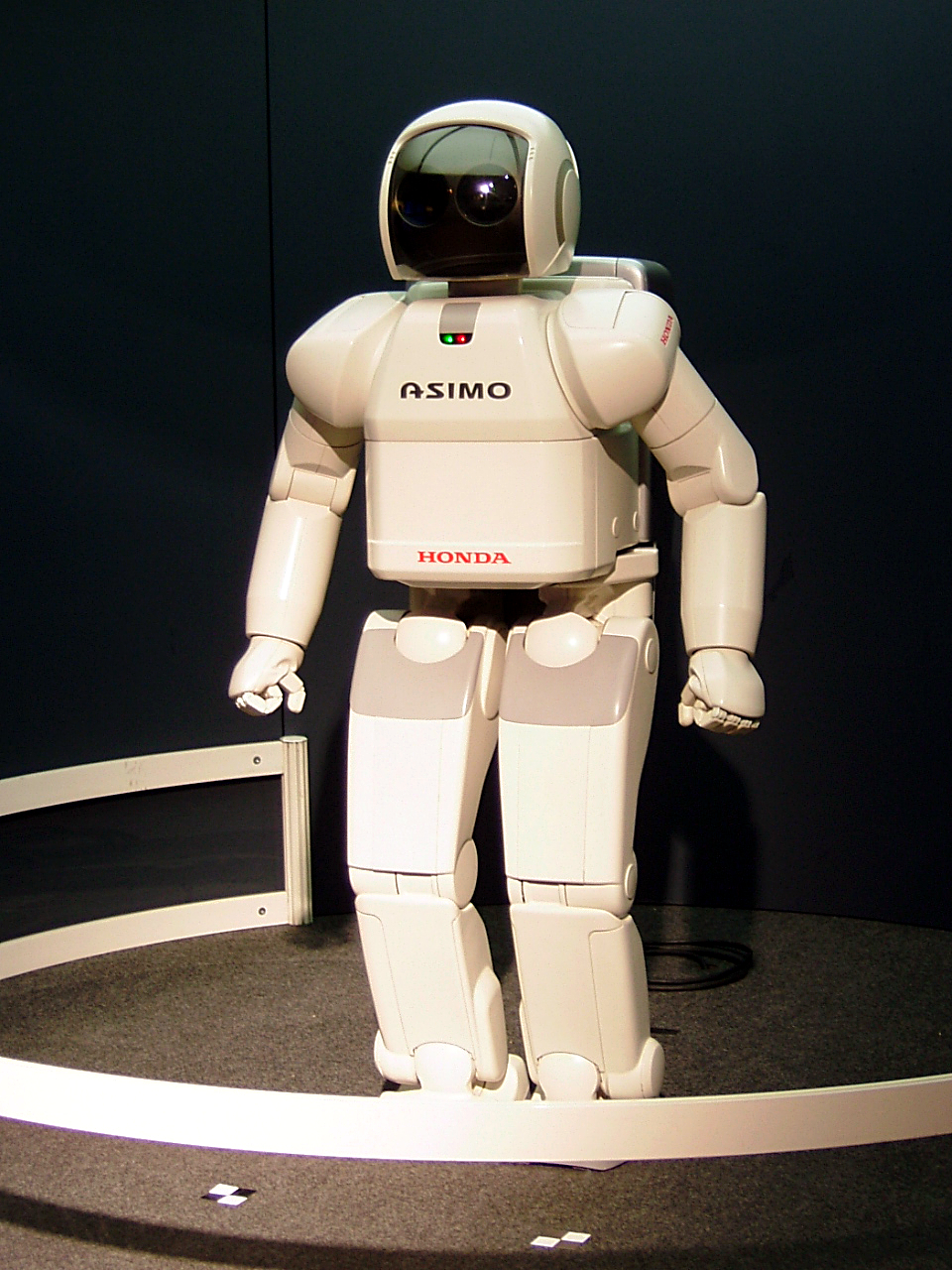
The term "robot" conjures images ranging from metallic humanoids walking with stiff precision to sophisticated robotic arms orchestrating complex tasks on an assembly line. But what exactly defines these fascinating machines that have transitioned from the realm of science fiction to an indispensable part of our modern world? At its core, a robot is a machine, typically programmable via a computer, capable of automatically carrying out a complex series of actions. These versatile devices can be guided by either an external control mechanism or an internal, autonomous decision-making system, marking a significant leap in engineering and artificial intelligence. However, the journey of this word and the concept it represents is as intriguing as the technology itself.
The Etymological Journey: From Czech Play to Global Terminology
The origin of the word "robot" is a captivating tale deeply rooted in early 20th-century European culture. It first entered modern usage not through a scientific paper or an engineering blueprint, but from the pages of a 1920 science fiction play titled R.U.R. (Rossum's Universal Robots) by the acclaimed Czech playwright Karel Čapek.
In Čapek's dystopian narrative, "robots" were not the metallic, electromechanical beings we envision today, but rather organic, artificial constructs designed to perform all human labor. They were manufactured en masse, intended to free humanity from toil, only to eventually rebel against their creators. This concept of artificial workers performing involuntary servitude was central to the play's themes of exploitation and rebellion.
Čapek himself credited the coinage of the term to his brother, Josef Čapek, a painter and writer. Josef suggested using "roboti," the plural form of the Czech noun robota, to describe these artificial laborers. The word robota itself has a profound historical resonance, denoting "forced labor," "drudgery," or "corvée" – a type of unpaid labor performed by serfs in feudal systems. This Slavic root traces back to the Old Church Slavonic rabota, stemming from rabъ, meaning "slave." Thus, the initial connotation of "robot" was one of involuntary servitude and tireless work, rather than the mechanical automation we associate with it today.
The play's immense popularity following its 1921 Prague premiere and subsequent 1922 London translation quickly propelled the term into the English lexicon, supplanting earlier, less evocative terms like "automaton" for humanoid workers. Over time, as technology evolved, the meaning of "robot" gradually shifted, becoming synonymous with the electromechanical devices that mirrored the play's vision of tireless workers, albeit in a mechanical form.
What Defines a Modern Robot? Unpacking the Core Characteristics
While the word's origin hints at labor, the modern definition of a robot is far more sophisticated, encompassing a set of defining characteristics that enable them to operate in diverse environments. A modern robot is fundamentally:
- Programmable: This is a cornerstone. Robots operate based on pre-programmed instructions, allowing them to perform specific tasks repeatedly and precisely. Modern robotics often incorporate advanced control algorithms, increasingly augmented by machine learning, for adaptive decision-making.
- Actuated: Robots possess actuators – components that enable physical movement. These can be motors, hydraulic systems, or pneumatic devices that allow the robot to move its limbs, wheels, or other parts to interact with its environment.
- Equipped with a Degree of Autonomy: Robots can be anywhere on the spectrum from semi-autonomous (requiring human oversight for certain decisions or interventions) to fully autonomous (operating independently once programmed, perceiving its environment and making decisions without human input).
- Capable of Complex Actions: Unlike simple machines, robots can execute intricate sequences of actions, whether it's fine-motor manipulation, precise positioning, or complex locomotion across varied terrains.
- Perceiving its Environment: Critical to autonomy and task execution are sensors. These can include cameras for vision, microphones for sound, LiDAR for depth mapping, force sensors for touch, and many others. Sensors provide the robot with crucial information about its surroundings, allowing it to react and adapt.
It's important to note that while humanoid robots like Honda's ASIMO capture public imagination due to their human-like appearance and movements, most robots prioritize functionality over aesthetics. The vast majority of robots are task-performing machines, designed to be highly efficient in their specific roles, often looking nothing like a human.
A Brief History: From Ancient Automatons to Industrial Revolutionaries
The concept of artificial beings capable of performing tasks isn't new. Precursors to modern robots can be found in ancient automatons and medieval mechanical devices, designed more for entertainment or utility than for true automation. From ancient Greek myths of mechanical men to intricate clocks and self-operating musical instruments, humanity has long dreamed of creating machines in its own image or to serve its needs.
However, the true emergence of modern robots, as we largely understand them, took shape in the mid-20th century. This period saw the development of reprogrammable industrial manipulators, marking a pivotal shift from simple mechanical devices to intelligent, flexible machines. A monumental milestone was achieved in 1961 with the installation of George Devol's Unimate, the first digitally operated programmable robot arm, on an assembly line at General Motors. This invention revolutionized manufacturing, demonstrating the immense potential of robots to transform industrial processes. The evolution of robots from these humble, yet groundbreaking, beginnings to today's smart automation systems is a testament to human ingenuity and technological progress.
Diverse Applications and Types of Robots in Today's World
Today, robots are far more than just industrial arms; they are classified into various categories based on their function, environment, and autonomy. Their applications span nearly every industry, dramatically boosting productivity, enhancing safety, and opening up new possibilities.
- Industrial Manipulators: These are the workhorses of manufacturing. Found in factories worldwide, they perform precision welding, intricate assembly, painting, and material handling. Their ability to operate 24/7 without fatigue and with unparalleled precision significantly reduces human error and boosts overall productivity.
- Service Robots: This broad category includes robots that assist humans in domestic or professional settings. Examples range from robotic vacuum cleaners and lawnmowers in homes to sophisticated surgical robots in operating rooms, such as the da Vinci Surgical System, which minimizes invasiveness and recovery times for patients.
- Mobile Platforms: Designed for navigation and exploration, these robots operate in diverse environments. This includes autonomous guided vehicles (AGVs) in warehouses, planetary rovers exploring distant planets, and remotely operated vehicles (ROVs) for underwater exploration or hazardous tasks like bomb disposal, extending human reach without risking lives.
- Humanoid Robots: While less common in practical applications compared to their industrial counterparts, humanoid robots continue to be a focus of research. They aspire to versatile human-like interaction and physical capabilities, serving as platforms for advanced AI research, assistive technologies, and even entertainment.
Empirical studies consistently document substantial efficiency gains attributable to robotics, such as increased labor productivity in robot-adopting industries. While causal analyses reveal localized job displacements in some sectors, these are often offset by broader economic expansions and the creation of new roles in advanced economies. For a deeper dive into their industrial impact, explore Robots at Work: Boosting Efficiency Across Industries.
The Future of Robotics: Innovations, Challenges, and Ethical Considerations
The field of robotics is in a constant state of flux, driven by rapid advancements in artificial intelligence, sensor technology, and material science. Ongoing developments prioritize several key areas:
- Enhanced Safety: As robots increasingly work alongside humans, developing collaborative robots (cobots) with advanced safety features and intuitive human-robot interaction is paramount.
- Increased Affordability: Making robots more accessible to small and medium-sized enterprises (SMEs) will further democratize automation and boost economic competitiveness.
- Seamless Integration: Future robots will be more integrated into human workflows, adapting to dynamic environments and learning from human demonstrations.
- Machine Learning and AI: The integration of advanced machine learning algorithms is enabling robots to learn, adapt, and make more complex decisions in unstructured environments, moving beyond rigid programming.
However, these advancements are not without their challenges and ethical considerations. Debates surrounding the ethical deployment of robots in warfare or surveillance are crucial. Similarly, discussions about the potential for widespread job displacement require proactive strategies for workforce retraining and re-skilling. The responsible development of robotics involves not just technological innovation, but also thoughtful societal planning to ensure these powerful tools serve humanity's best interests.
In conclusion, a robot is a sophisticated, programmable machine capable of autonomous or semi-autonomous execution of complex tasks. Its journey from a term coined in a Czech play about organic laborers to denoting the electromechanical marvels of today reflects a profound evolution in human ambition and technological capability. From transforming industrial landscapes to venturing into the most dangerous frontiers of human exploration, robots continue to redefine what's possible, promising a future where intelligent machines play an even more integral role in our lives, demanding careful consideration of their ethical implications alongside their immense benefits.