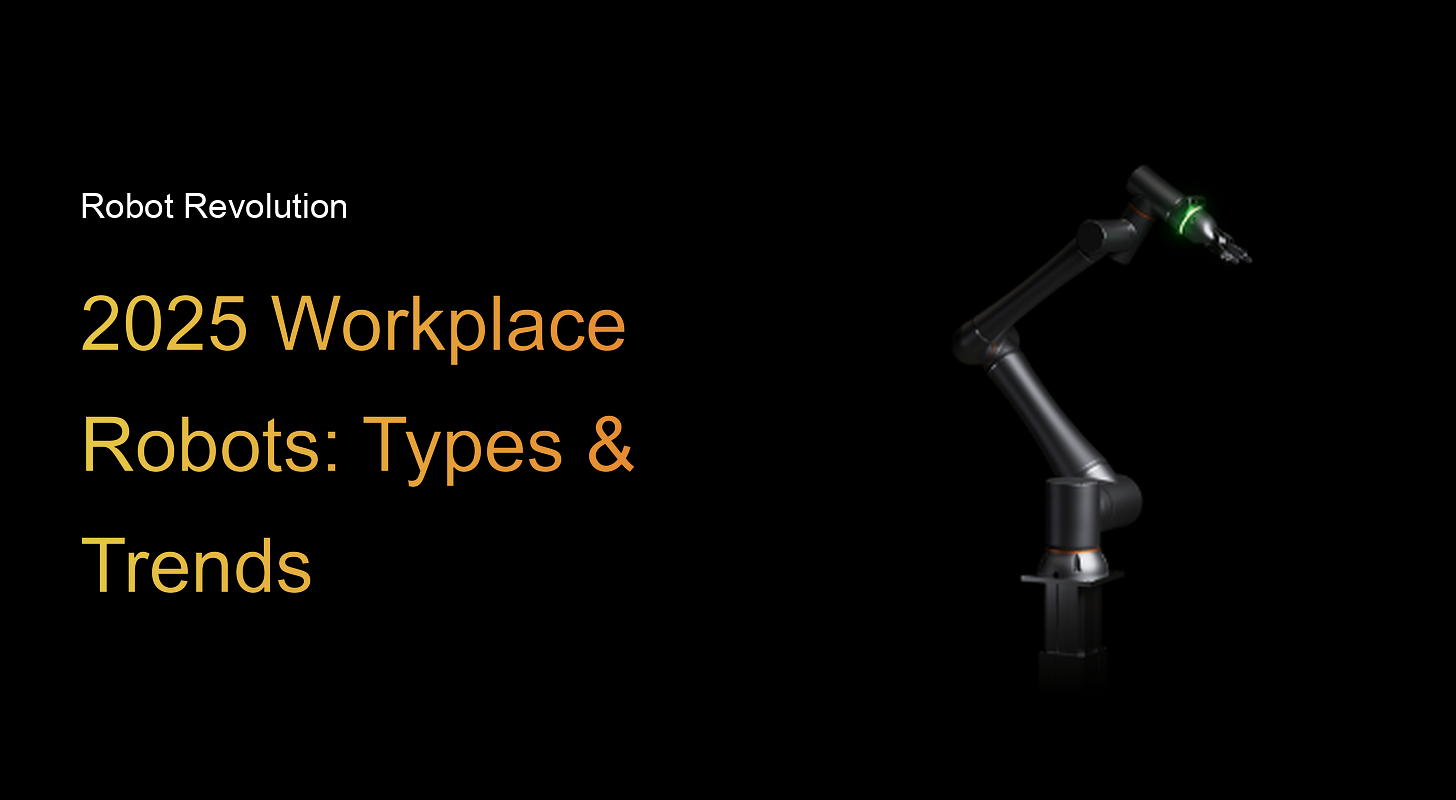
Understanding the Modern Robot: Beyond Sci-Fi Imagery
The term "robot" often conjures images of humanoid figures from science fiction – sleek, metallic beings capable of complex thought and emotion. While such concepts fuel our imagination, the reality of a robot in today's industrial and professional landscape is far more grounded yet equally transformative. At its core, a robot is a machine, typically programmable via a computer, engineered to automatically carry out a complex series of actions. It's an actuated mechanism with a degree of autonomy, designed to perform tasks like locomotion, manipulation, or positioning, guided by either an external or internal control device.
The origins of the word "robot" trace back to the Czech playwright Karel Čapek's 1920 science fiction play, R.U.R. (Rossum's Universal Robots). Čapek's brother, Josef, is credited with coining the term from the Slavic word robota, meaning forced labor or drudgery. This etymology reflected the early conceptualization of artificial workers designed to alleviate human toil. Interestingly, Čapek's original "robots" were organic constructs, not machines, embodying themes of exploitation and rebellion. For a deeper dive into this fascinating linguistic journey, explore What is a Robot? From Czech Play to Modern Machine. Over time, the meaning evolved to primarily signify electromechanical devices, diverging from its original biological connotation.
The dawn of modern robotics emerged in the mid-20th century. A pivotal moment arrived in 1961 with the installation of George Devol's Unimate, the first digitally operated programmable robot arm, on a General Motors assembly line. This marked a significant shift from theoretical concepts to practical industrial application, demonstrating the immense potential of automation. To understand this progression further, read about The Evolution of Robots: From Forced Labor to Smart Automation. Today's robots, whether autonomous or semi-autonomous, prioritize functionality over aesthetics. They are equipped with sophisticated components:
- Sensors: For environmental perception and data collection.
- Actuators: For generating motion and manipulating objects.
- Control Algorithms: Often augmented by advanced machine learning (ML) and artificial intelligence (AI) for adaptive decision-making and continuous improvement.
Categorizing Modern Robots: Diverse Forms, Specific Functions
While some robots, like Honda's Advanced Step in Innovative Mobility (ASIMO), aim for humanoid forms capable of versatile human-like interaction, the vast majority are task-performing machines meticulously engineered for specific purposes. They can be broadly categorized into:
- Industrial Manipulators: Dominating manufacturing sectors for precision and repetitive tasks.
- Service Robots: Assisting in professional (e.g., healthcare, logistics) and domestic settings.
- Mobile Platforms: Designed for navigation, exploration, and transportation across various terrains.
- Humanoid Robots: Aiming to mimic human appearance and behavior for research, education, or specific service roles.
Robots in Action: Revolutionizing Key Industries
The deployment of robots has transcended factory floors, permeating numerous industries and significantly enhancing operational efficiency. Their ability to perform with unwavering precision, tireless dedication, and in environments unsuitable for humans makes them invaluable assets.
Manufacturing and Logistics: The Unsung Heroes of Production
In manufacturing, robots have been the backbone of modern assembly lines for decades. They perform tasks ranging from precision welding and intricate assembly to painting and material handling. The benefits are profound:
- Boosted Productivity: Robots enable 24-hour operations, eliminating the need for breaks and working continuously without fatigue.
- Reduced Human Error: Their programmed movements ensure consistent quality and minimize defects, leading to higher product reliability.
- Enhanced Safety: By undertaking hazardous tasks, robots protect human workers from dangerous machinery, toxic environments, or repetitive strain injuries.
In logistics and warehousing, autonomous mobile robots (AMRs) and automated guided vehicles (AGVs) streamline inventory management, pick-and-place operations, and package sorting. This drastically reduces processing times, optimizes storage space, and ensures faster delivery cycles, directly impacting customer satisfaction and bottom-line efficiency.
Healthcare: Precision and Care in a New Dimension
The medical field has seen a remarkable influx of robotic assistance, particularly in surgery. Surgical robots, like the da Vinci system, allow surgeons to perform complex procedures with enhanced precision, greater dexterity, and magnified vision. This leads to:
- Minimally Invasive Surgeries: Smaller incisions, reducing patient trauma and blood loss.
- Faster Recovery Times: Patients experience less pain and quicker return to normal activities.
- Improved Outcomes: The precision offered by robots can lead to better surgical results, especially in delicate procedures.
Beyond the operating room, service robots assist in patient care, drug dispensing, and sanitization, freeing up human staff to focus on critical patient interaction and specialized medical tasks.
Hazardous Environments: Extending Human Reach and Safety
Perhaps one of the most critical applications of robots is in scenarios too dangerous or inaccessible for humans. From bomb disposal units that safely disarm explosives to planetary rovers exploring distant celestial bodies, robots extend humanity's reach without risking lives. These specialized robots can withstand extreme temperatures, radiation, and immense pressures, collecting vital data and performing tasks where human intervention would be impossible or fatal. This ensures continuity of operations in critical fields and pushes the boundaries of exploration and safety.
The Tangible Benefits: Efficiency, Productivity, and Growth
Empirical studies consistently document substantial efficiency gains attributable to robot adoption across various sectors. These gains aren't just incremental; they often represent fundamental shifts in operational paradigms and economic performance.
Key Drivers of Efficiency with Robot Integration:
- Unmatched Precision and Consistency: Robots perform repetitive tasks with an accuracy that surpasses human capabilities, leading to higher quality products and reduced waste. For instance, in electronics manufacturing, a robot can place components with micron-level precision, ensuring circuit integrity.
- 24/7 Operation and Speed: Unlike human workers, robots do not tire, require breaks, or adhere to fixed shifts. They can operate continuously, dramatically increasing throughput and accelerating production cycles. This capability is critical for meeting high demand and shortening time-to-market.
- Enhanced Safety and Ergonomics: By automating dangerous, dull, or dirty tasks, robots protect human workers from workplace accidents, exposure to hazardous materials, and repetitive strain injuries. This not only saves lives and reduces injury-related costs but also improves overall workplace morale and conditions.
- Cost Reduction in the Long Term: While the initial investment in robotics can be substantial, the long-term cost savings are significant. These include reduced labor costs, lower defect rates, optimized material usage, and decreased energy consumption through efficient operation. The return on investment (ROI) often becomes evident over a few years, making robot integration a strategic financial move.
- Resource Optimization: Robots can be programmed to utilize raw materials more efficiently, reducing scrap and waste. In agriculture, precision farming robots can apply water and fertilizer only where needed, conserving resources and improving crop yields.
Actionable Tips for Robot Adoption:
For businesses considering integrating robots, a strategic approach is vital:
- Identify Bottlenecks: Pinpoint areas in your operations where efficiency is low, tasks are repetitive, or safety is a concern.
- Start Small, Think Big: Begin with automating a single, well-defined process to gain experience and demonstrate ROI before scaling up.
- Invest in Training: Ensure your existing workforce is trained to work alongside and manage robotic systems. This fosters acceptance and creates new, higher-skilled roles.
- Prioritize Integration: Choose robotic solutions that can seamlessly integrate with your existing infrastructure and software systems.
- Consult Experts: Work with robotics integrators and consultants to design and implement the most effective solutions for your specific needs.
Navigating the Future: Challenges and Ethical Considerations
While the benefits of robotics are undeniable, their pervasive integration into society also presents complex challenges and ethical dilemmas that demand careful consideration. One of the most frequently debated topics is job displacement. While causal analyses reveal localized job displacements in certain sectors, broader economic studies in advanced economies often indicate that these are offset by the creation of new roles and overall economic expansions. Robots tend to automate routine, manual tasks, but they also necessitate human skills in areas like robot design, maintenance, programming, and oversight. The key lies in strategic reskilling and upskilling initiatives to prepare the workforce for human-robot collaboration.
Ethical considerations also loom large, particularly concerning the deployment of robots in warfare or surveillance. The potential for autonomous weapons systems to make life-and-death decisions without human intervention raises serious moral questions about accountability and control. Similarly, robots equipped with advanced surveillance capabilities pose concerns about privacy and civil liberties. Addressing these issues requires ongoing dialogue among policymakers, ethicists, engineers, and the public to establish clear ethical guidelines and regulatory frameworks.
Ongoing advancements continue to prioritize key aspects for future robot development:
- Safety: Developing robots that can operate safely alongside humans, with features like collaborative robotics (cobots) that are designed to share a workspace.
- Affordability: Making robotic solutions more accessible to small and medium-sized enterprises (SMEs) to broaden their impact.
- Integration with Human Workflows: Designing robots not to replace humans, but to augment human capabilities, acting as tools that enhance productivity and job satisfaction.
The future of work is undeniably collaborative, with humans and robots leveraging their respective strengths to achieve unprecedented levels of innovation and efficiency.
Conclusion
From their etymological roots in "forced labor" to their contemporary role as sophisticated, autonomous machines, robots have profoundly reshaped the industrial landscape. They are no longer mere curiosities but essential tools driving efficiency, precision, and safety across a multitude of industries. Whether enhancing productivity in manufacturing, providing life-saving assistance in surgery, or performing critical tasks in hazardous environments, robots are proving indispensable. While challenges like job evolution and ethical considerations remain, proactive planning, continuous innovation, and a focus on human-robot collaboration are paving the way for a future where intelligent automation continues to boost efficiency, foster economic growth, and ultimately, improve the quality of life globally.